The Impact of Streaming Services on the Music Industry
The Impact of Streaming Services on the Music Industry
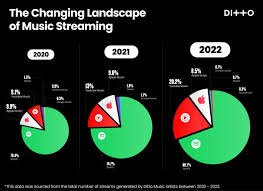
In the past two decades, the music industry has undergone a seismic shift, largely driven by the rise of streaming services. Platforms like Spotify, Apple Music, and YouTube have transformed how people consume music, leading to profound changes in the way artists release their work, how listeners discover new music, and how the industry itself generates revenue. While streaming has revolutionized the music landscape in many ways, it has also introduced new challenges, creating both opportunities and obstacles for artists, labels, and consumers.
One of the most significant changes brought about by streaming is the way music is distributed. Traditionally, artists relied on physical media like CDs and vinyl records, or digital downloads through platforms like iTunes, to sell their music. These methods provided a one-time purchase model, where fans would pay for an album or song outright. However, with the advent of streaming services, this model has shifted toward a subscription-based service, where listeners pay a monthly fee for unlimited access to a vast library of music. This shift has fundamentally altered how albums and songs are monetized. Rather than earning revenue through direct sales, artists now generate income through streams, often receiving a fraction of a cent per play.
For major artists, streaming has provided new opportunities to reach a global audience without the traditional barriers of distribution and physical sales. A single song can be heard by millions of listeners around the world, instantly accessible on any device with an internet connection. This global accessibility has helped break down geographic barriers, allowing artists from any corner of the world to build international followings. Furthermore, streaming platforms offer personalized recommendations based on listening habits, helping users discover new music they might not have encountered otherwise. This has opened doors for emerging and independent artists to reach new fans and grow their careers in ways that were previously impossible.
However, the widespread adoption of streaming has created challenges for many artists, particularly those who don’t have the large followings of mainstream stars. The per-stream revenue model often results in smaller payments to artists, especially when compared to the profitability of physical sales. While an artist may see millions of streams, the revenue they earn from these streams may be far less than what they would have made from album sales. This has led to debates about the fairness of streaming royalties and calls for better compensation for musicians. Independent artists are particularly vulnerable, as they often lack the resources and marketing power to generate the streams needed to earn a substantial income.
The dominance of streaming has also reshaped the way albums and singles are released. With the instant accessibility of music, the traditional album release cycle has given way to a more singles-driven approach. Many artists now focus on releasing individual tracks or EPs more frequently, rather than waiting years between full-length albums. This shift is partly driven by the fact that streaming platforms prioritize songs that are frequently added to playlists, often making it more lucrative for artists to release singles than to focus on album sales.